Views: 18 Author: Site Editor Publish Time: 2026-06-18 Origin: Site


Government laboratories do not simply store standards and strains. They must demonstrate traceability, environmental control, inventory integrity, and compliance with accreditation requirements.
Common challenges include:
Reference materials are stored in multiple locations
A typical government laboratory may have:
Standard material room
Instrument laboratory
Microbiology laboratory
Quality control laboratory
Sample preparation room
Cold storage room
Managers often cannot determine:
Which department is using a CRM
How many units remain
Which lot number is currently active
Which materials are approaching expiration
Problems frequently observed:
Duplicate purchasing
Unknown inventory status
Materials expiring before use
Difficulty sharing standards between departments
Assessors frequently ask: can you demonstrate the complete history of this reference material?
Typical questions include:
Who received it?
Who approved its release?
Who used it?
Which analytical method used it?
Which project consumed it?
Was it discarded properly?
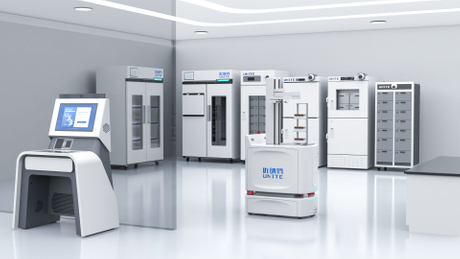
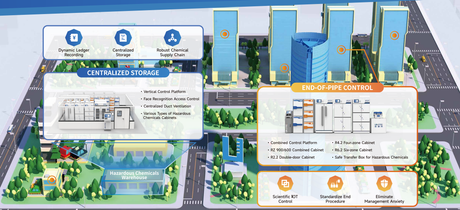
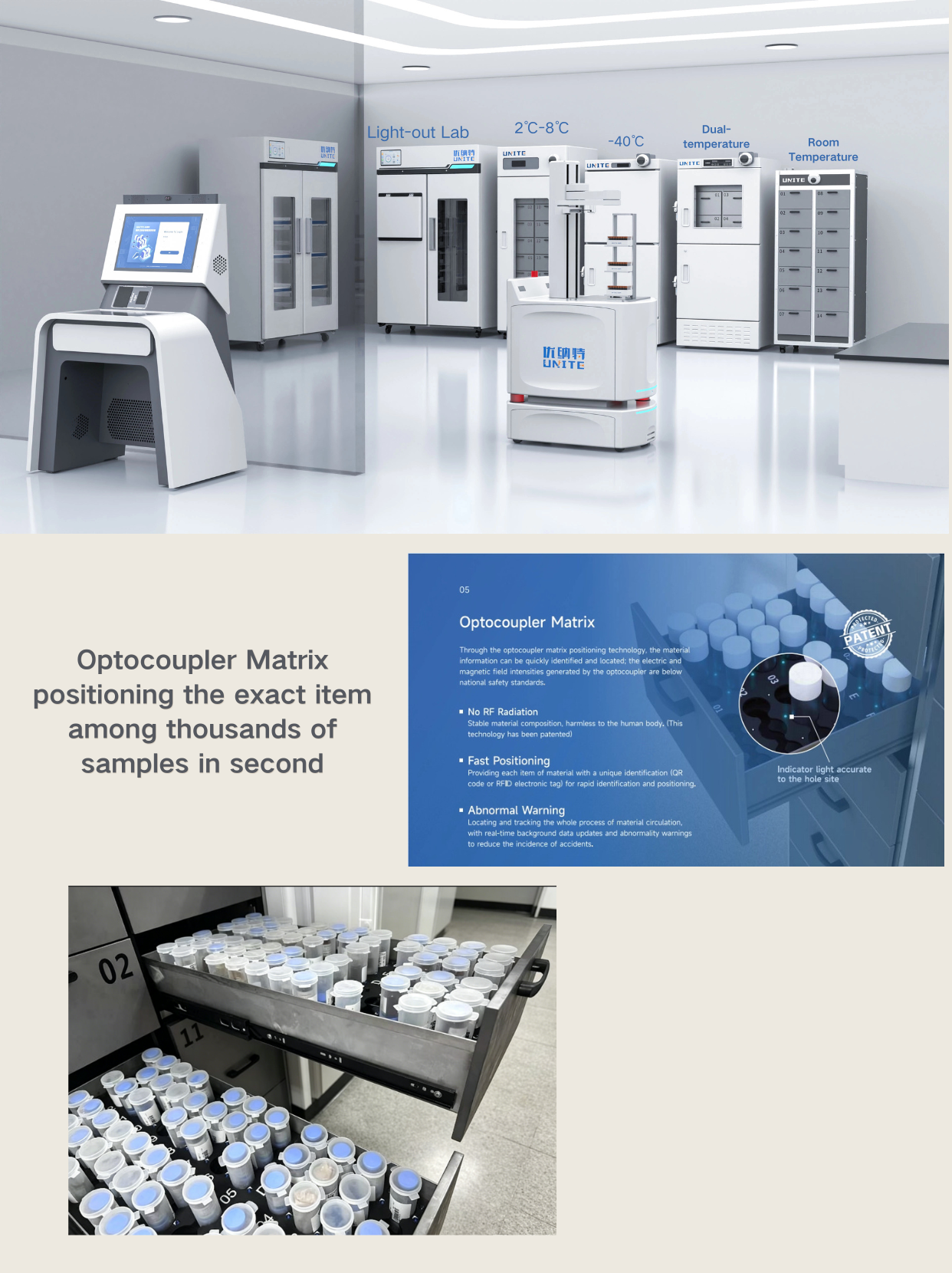
Unite provides the solution as Standard Material and Microbial Strain Lifecycle Management Solution. It implemented through a combination of centralized digital management, intelligent storage equipment, optocoupler matrix, environmental and collection monitoring, and standardized laboratory workflows to establish a complete chain of custody for standard materials and microbial strains.
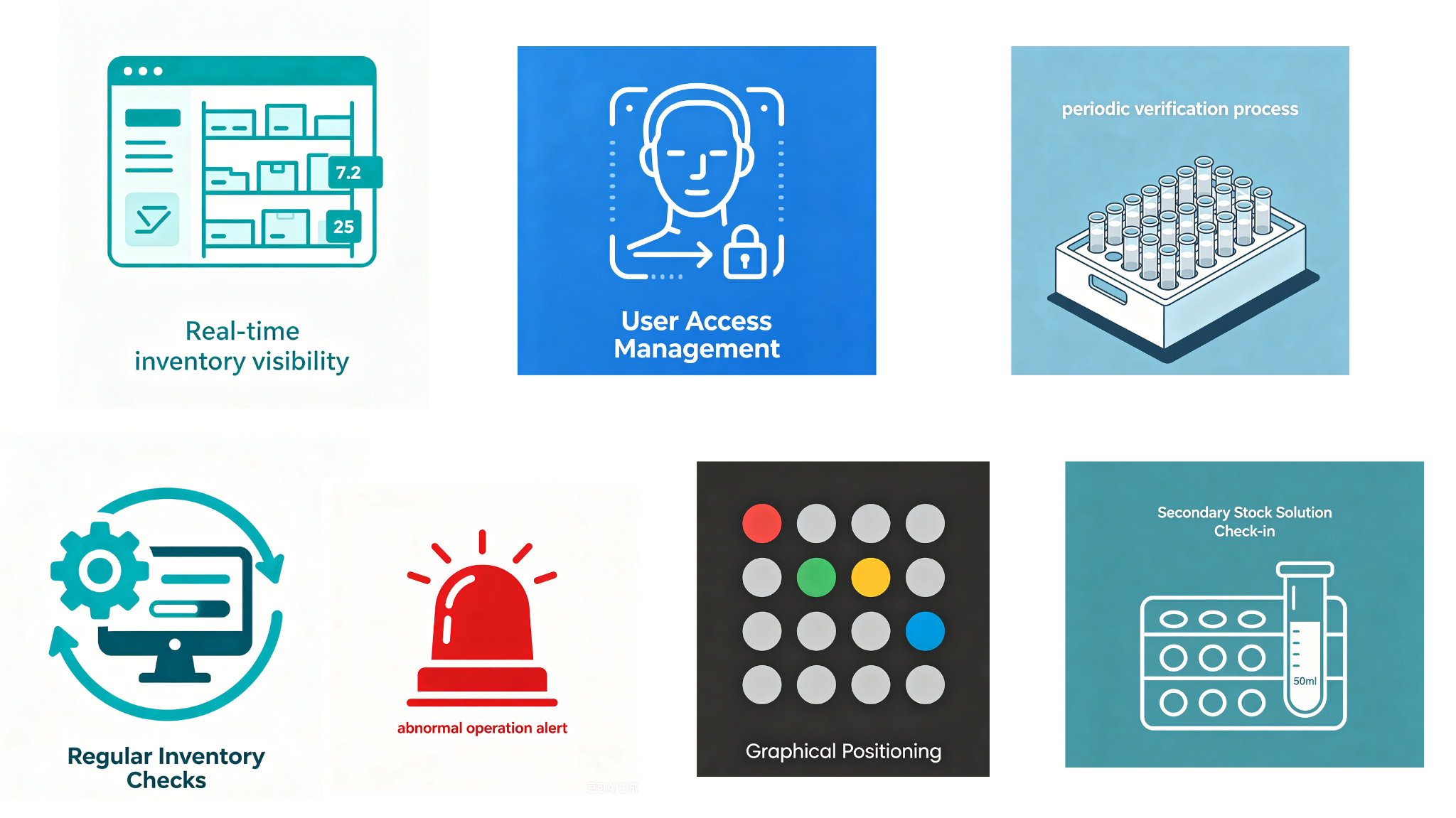
Environmental laboratories, food laboratories, and drug control institutes may maintain thousands of reference materials.
Examples include:
Pesticide standards
Heavy metal standards
Organic pollutant standards
Pharmaceutical impurity standards
Calibration standards
Traditional management relies on:
Excel files
Paper registration books
Manual stock counting
All standards are stored in intelligent cabinets connected to one management platform. Laboratory personnel submit requests electronically.
Workflow:
Request →Approval→Collection→Use→Return→Inventory Update→Disposal
Managers can monitor:
Inventory quantity, Lot number, Supplier, Certificate validity, Report, Expiration date, Current user and Storage location
Assessors commonly request evidence showing:
Reference material traceability
Inventory management
Environmental monitoring
Authorized access
Usage history
Certificate validity
Reports can be generated automatically.
Examples:
Current inventory report
Usage history report
Expired standards report
Environmental monitoring report
Certificate expiration report
User operation report
Government laboratories frequently maintain collections of:
Quality control strains
Pathogen reference strains
Environmental isolates
Foodborne microorganisms
Veterinary strains
Each strain receives a unique label. Information recorded includes:
Strain number
Species
Preservation method
Storage temperature
Passage number
Recovery history
Responsible laboratory
Current inventory
Managers can determine immediately:
Who recovered the strain
Date of recovery
Experiment performed
Remaining aliquots
Storage location
The cabinet continuously monitors:
Temperature
Humidity
Door opening status
Storage duration
Power supply status
CRM cabinet
2–8°C
Microbial strain freezer
-20°C
Ultra-low temperature module
Optional
Alarm conditions may include:
Temperature excursion
Door left open
Power interruption
Unauthorized access
How can laboratories avoid using expired standards?
Government laboratories often manage:
Short shelf-life standards
Imported CRMs
Lot-specific calibrators
The system monitors:
Expiration date
Certificate validity
Inventory quantity
Usage frequency
Notifications can be configured:
90 days
60 days
30 days
Custom periods
Managers can decide whether to:
Reorder
Transfer materials
Dispose of expired items
Who accessed a standard or strain and when?
Access to high-value materials can be controlled through:
Face recognition(Dual-face recognition can be set)
ID card authentication
Password login
Permission groups
Department
Project
Material category
User role
Examples:
Quality Manager Analyst Intern
Full access Approved materials only No access
Each transaction records:
User
Material name
Date and time
Quantity
Purpose
Project information
This creates a complete chain of custody for standards and microbial collections.
Category | Typical Benefits |
|---|---|
Inventory Management | Reduced duplicate procurement |
Accreditation | Faster preparation for assessments |
Quality Control | Reduced risk of expired material use |
Resource Utilization | Improved sharing between departments |
Traceability | Complete electronic audit trail |
Laboratory Operations | Less manual documentation |
For government laboratories, managing standards and microbial collections is primarily a matter of accreditation support, traceability, environmental control, and accountability. A digital storage and inventory platform enables laboratories to maintain complete records for every standard and strain, control access, monitor storage conditions, and prepare efficiently for inspections and accreditation assessments.
This is one project of a China government lab:
Warehouse of the standard material and microbial strains:
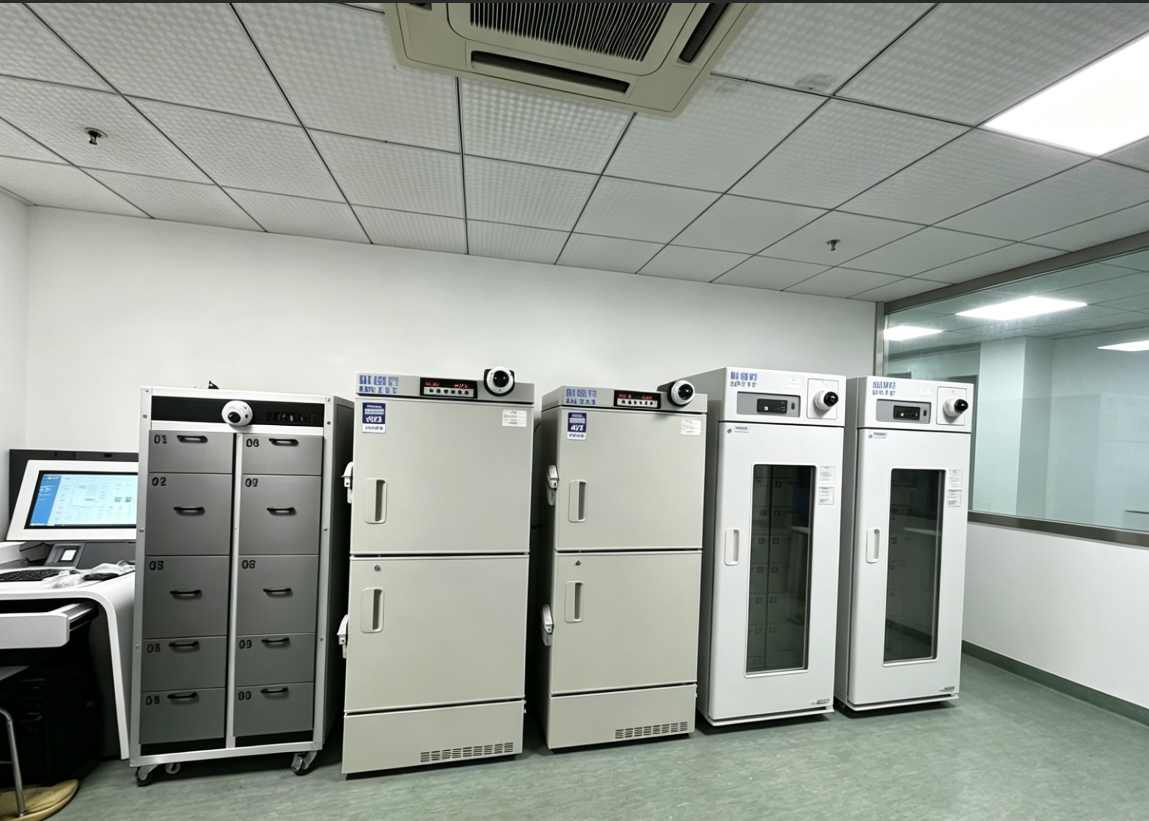
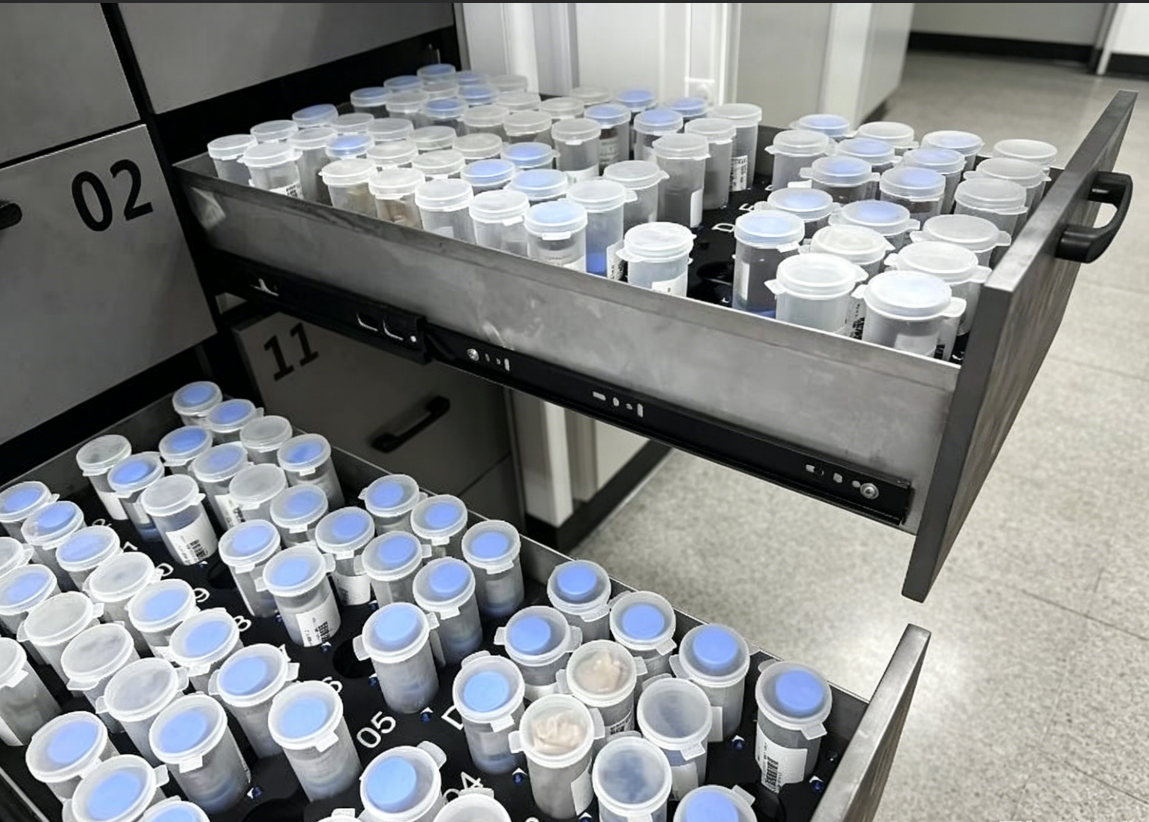
Details inside the cabinet: