1. How Does the System Support Regulatory Compliance?
The system is designed to support laboratory compliance programs and chemical safety management requirements.All transactions are automatically recorded, creating a complete audit trail for inspections and compliance reviews.
Compliance Features
✓ Electronic records
✓ User accountability
✓ Inventory history tracking
✓ Audit-ready reports
✓ Chemical movement records
✓ Approval workflow documentation
2. How Does the System Prevent Incompatible Chemical Storage?
Chemical compatibility management is one of the most critical aspects of laboratory safety.
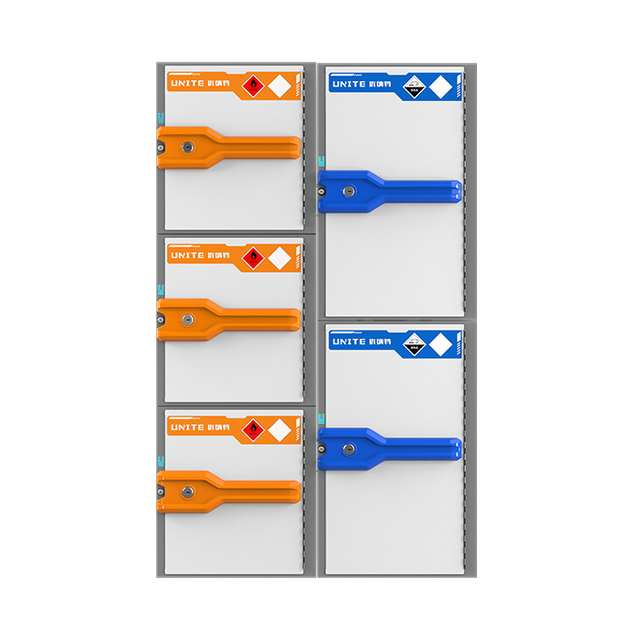
The system allows laboratories to establish storage rules based on chemical hazard classes, including:
· Flammables
· Oxidizers
· Corrosives· Acids
· Bases
· Toxic substances
· Reactive chemicals
Intelligent Partition Design
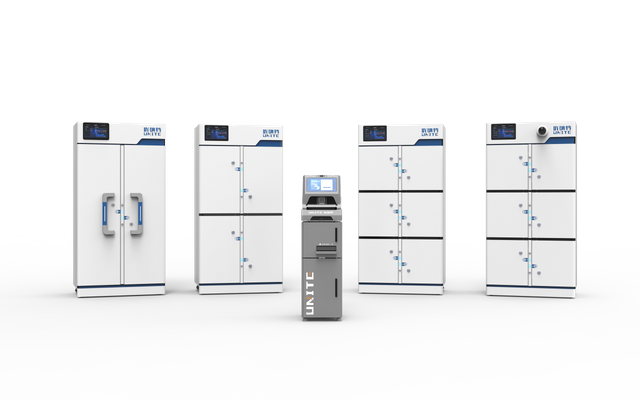
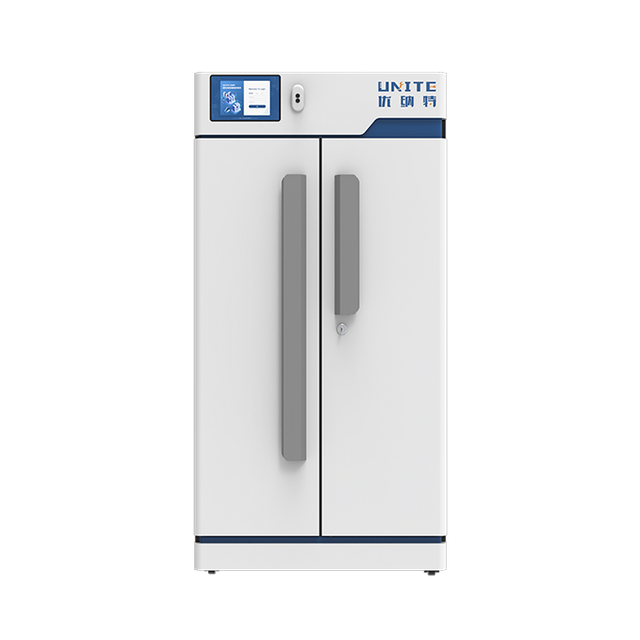
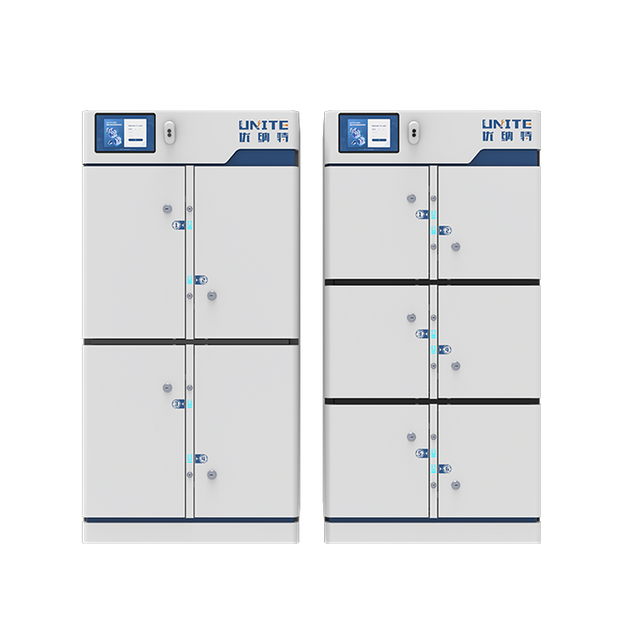
The cabinet utilizes multiple independent storage compartments to support segregated storage of incompatible chemicals.
When chemicals are assigned to inappropriate storage locations, the system can provide warnings and management alerts based on predefined storage rules.
Benefits
✓ Reduced risk of chemical incompatibility incidents
✓ Standardized storage practices
✓ Improved laboratory safety
✓ Easier compliance inspections
3. Who Accessed a Chemical and When?
Every chemical transaction is linked to a specific authorized user. 1
The system supports:
· Face recognition
· Card authentication
· User account login
· Permission-based access control
Each activity is automatically recorded, including:
· User identity
· Chemical name
· Quantity
· Date and time
· Transaction type
This creates complete accountability throughout the chemical lifecycle.
4. How Does the System Manage Chemical Inventory?
Real-Time Inventory Visibility-RFID Automated Inventory Counting
Laboratory managers can view inventory status at any time. Information includes:
· Current stock levels
· Storage location
· Batch number
· Expiration date
· User history
The system uses RFID technology to perform automatic inventory verification without manual scanning.
Benefits
✓ Faster inventory audits
✓ Reduced labor requirements
✓ Improved inventory accuracy
✓ Reduced risk of lost chemicals
5. Can Chemicals Be Located Quickly?
Finding chemicals in large laboratories can be time-consuming.
Using RFID positioning and digital inventory mapping, laboratory personnel can search for chemicals and identify their storage locations within seconds.
Benefits
✓ Faster retrieval
✓ Reduced search time
✓ Improved laboratory productivity
6. How Are Expired Chemicals Managed?
The system continuously monitors expiration dates and provides advance notifications for chemicals approaching expiration.
Functions
✓ Expiration alerts
✓ Near-expiration notifications
✓ Inventory review reports
✓ Disposal workflow tracking
This helps laboratories reduce waste and prevent accidental use of expired materials.
7. How Does the System Support Full Life-Cycle Traceability?
Every chemical movement is digitally recorded. Complete Workflow Coverage
Application → Approval → Storage → Check-Out → Use → Return → Disposal
Every event is associated with:
· User
· Time
· Location
· Quantity
· Chemical Name
This creates a complete chain of custody for hazardous chemicals.
8. Environmental and Safety Monitoring
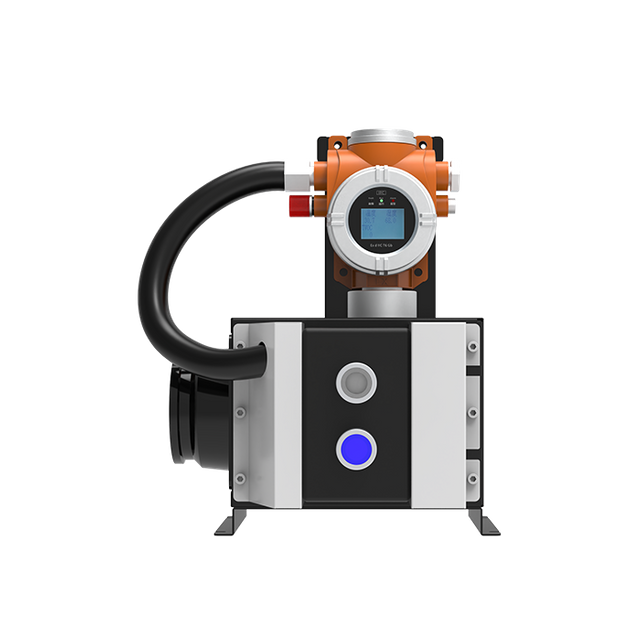
The system can be configured with intelligent monitoring modules including:
· Temperature monitoring
· Humidity monitoring
· Door status monitoring
· Ventilation monitoring
· Unauthorized access alarms
· Abnormal operation alerts
Real-time notifications help laboratory personnel respond quickly to safety issues.
9. Can the System Integrate with Existing Laboratory Software? Yes.
The platform can support integration with:
· LIMS
· ERP systems
· EHS management platforms
· Laboratory digital management systems
Through APIs and data exchange interfaces, laboratories can establish a unified digital management environment.
10. What Value Does the System Deliver?
For Laboratory Managers
· Improved inventory visibility
· Reduced manual workload
· Faster chemical retrieval
· Better resource utilization
For EHS and Safety Managers
· Reduced compliance risks
· Improved chemical segregation
· Enhanced accountability
· Better audit preparedness
For Laboratory Directors
· Increased operational efficiency
· Reduced inventory costs
· Improved laboratory safety
· Accelerated digital transformation
Typical Applications
· Pharmaceutical Laboratories
· Biotechnology Laboratories
· University Research Laboratories
· Environmental Testing Laboratories
· Food Safety Laboratories
· Chemical Research Centers
· Government Inspection Laboratories
· Industrial R&D Facilities
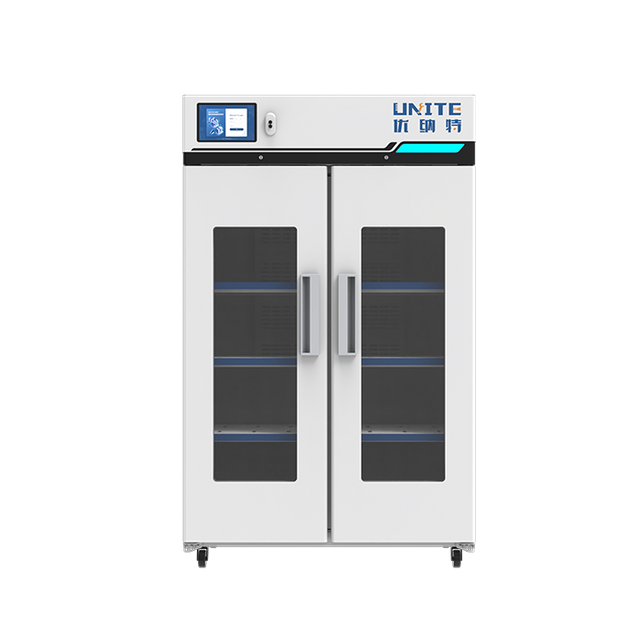
Unite Matrix IoT Hazardous Chemical Storage System
From chemical request to final disposal, every movement is visible, traceable, accountable, and compliant.
Transform hazardous chemical management from manual record-keeping to intelligent digital control.
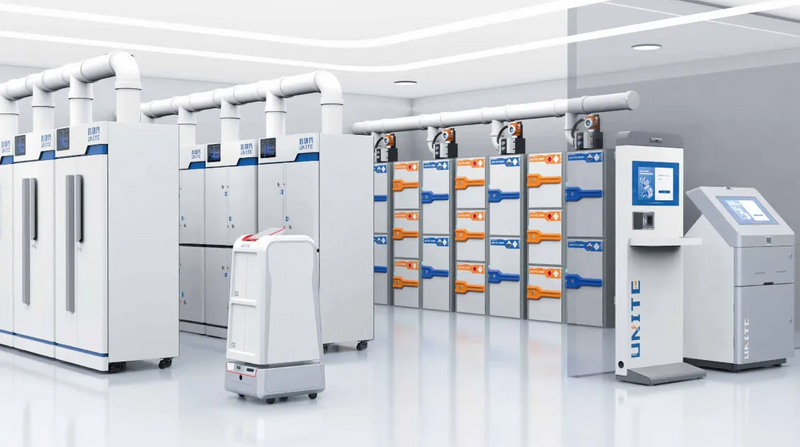
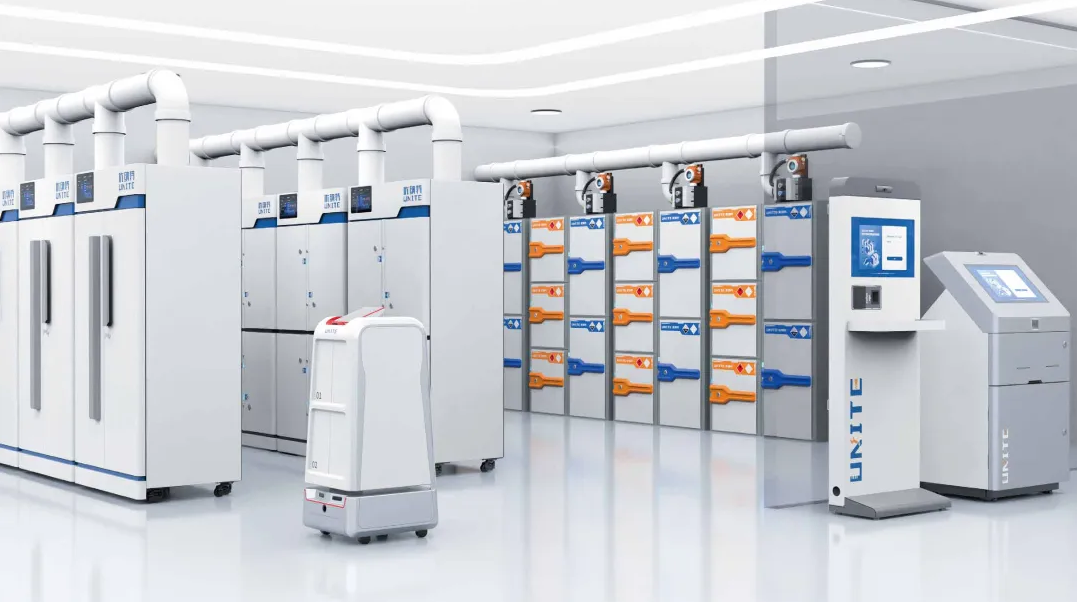

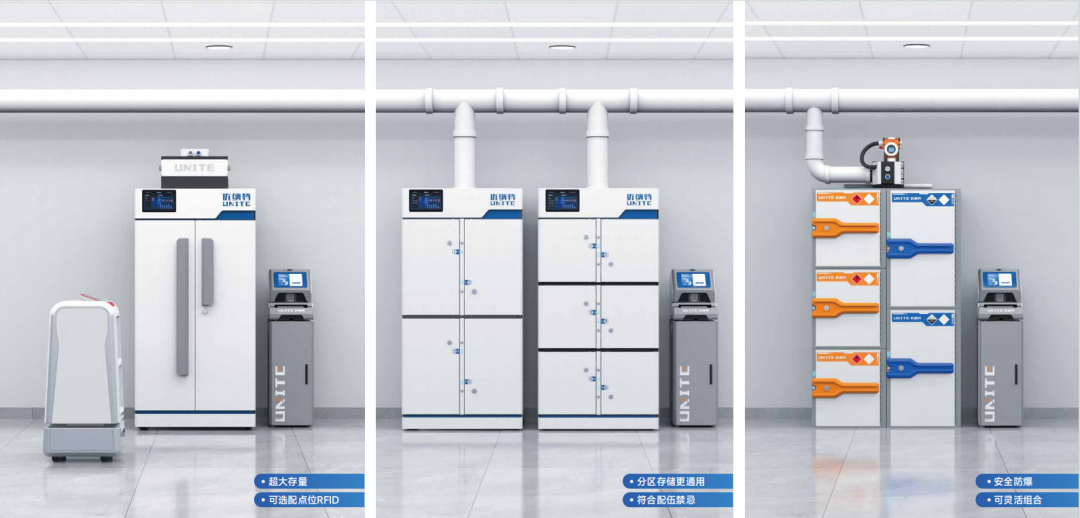



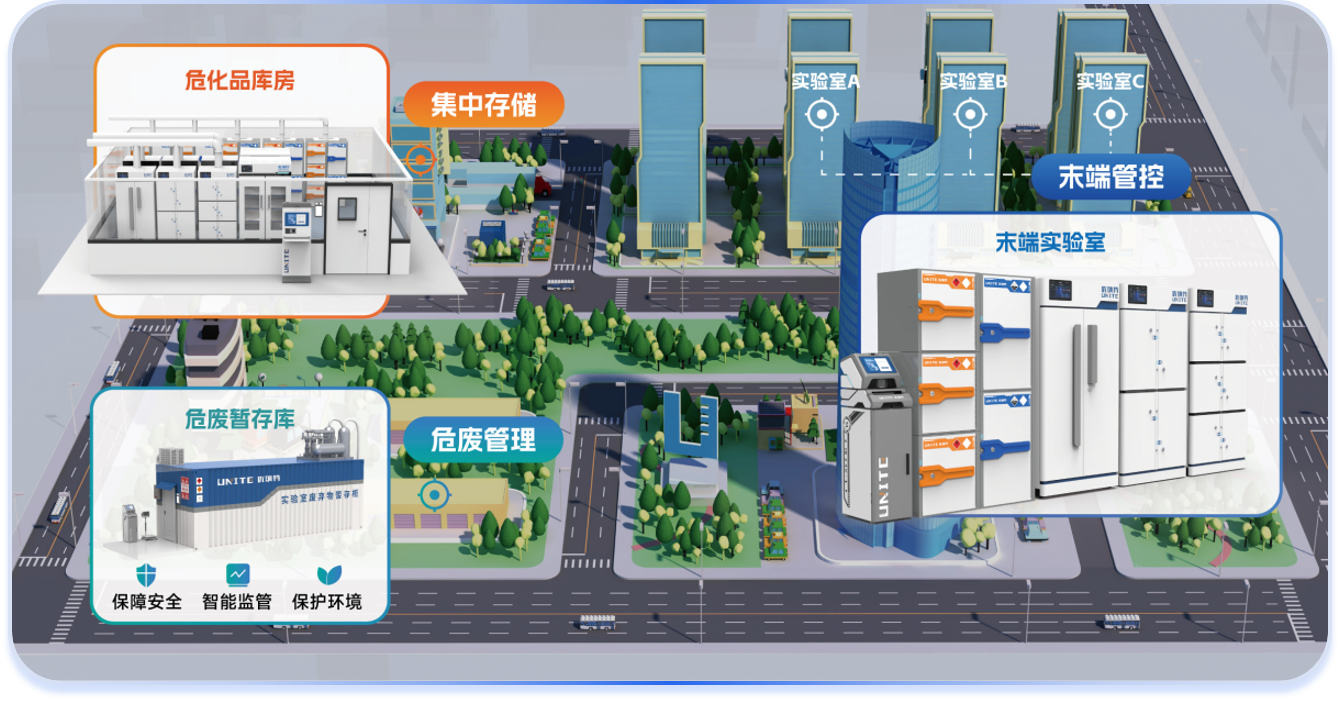
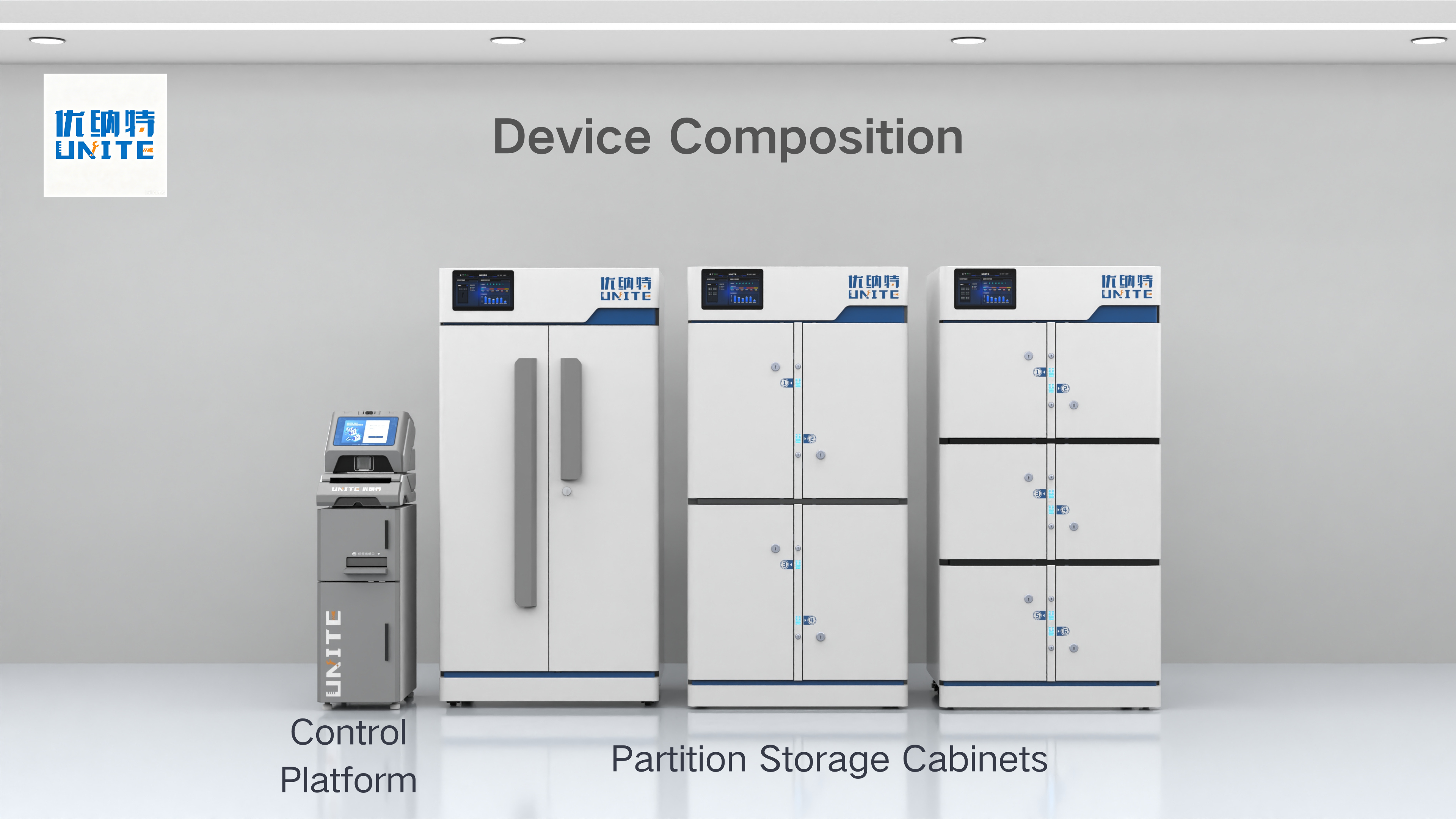 1. Partition design for different chemical categories storage
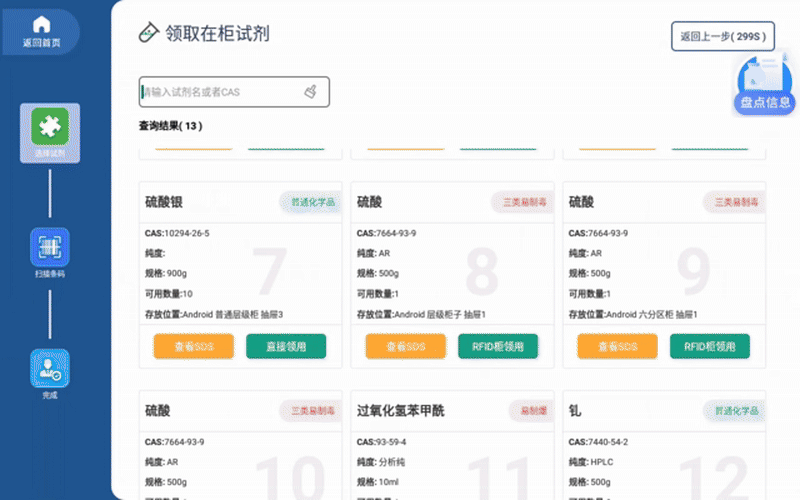 2. Real-time inventory status
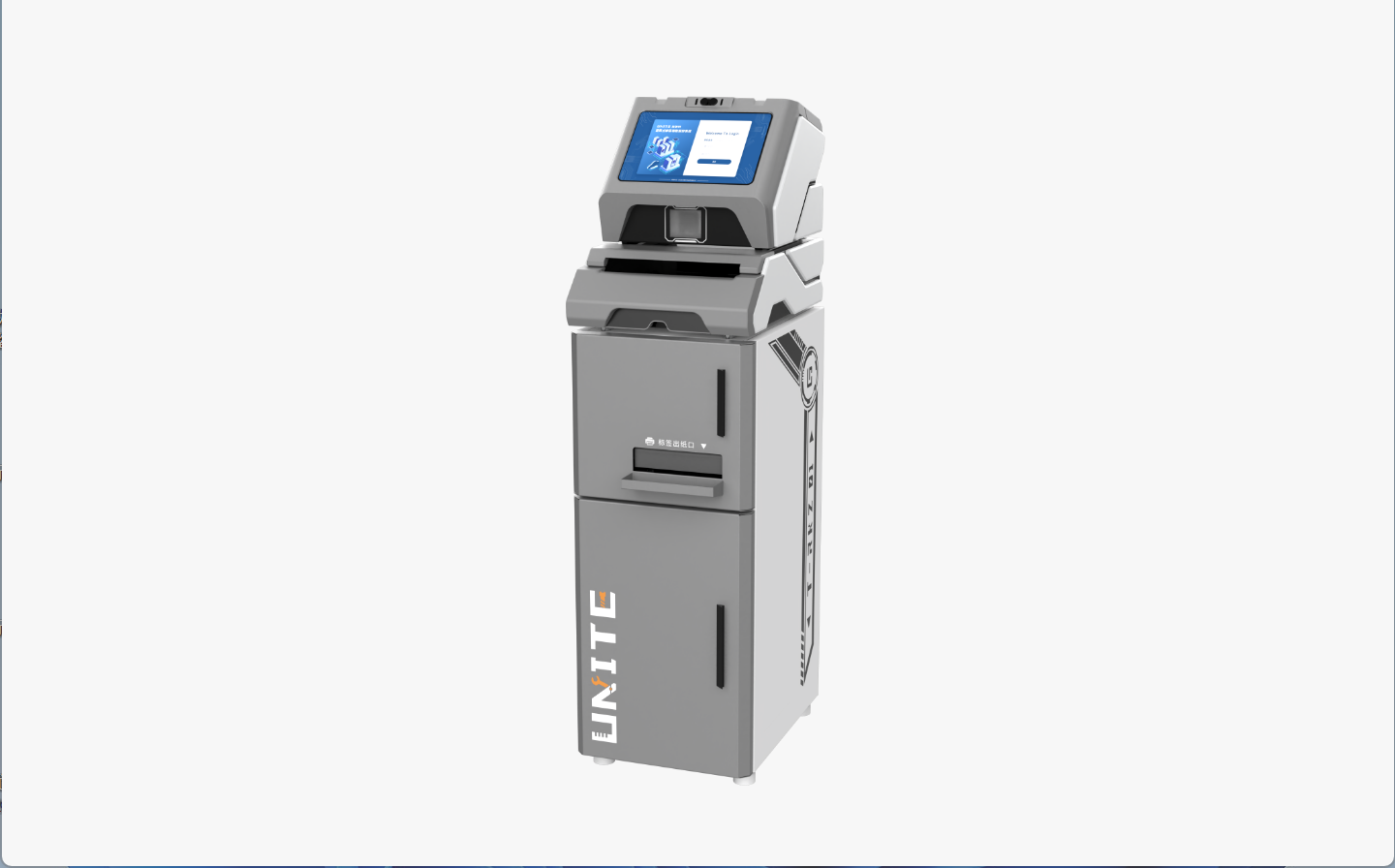 3. Face Recognition(Dual-face recognition can be set per access demands)